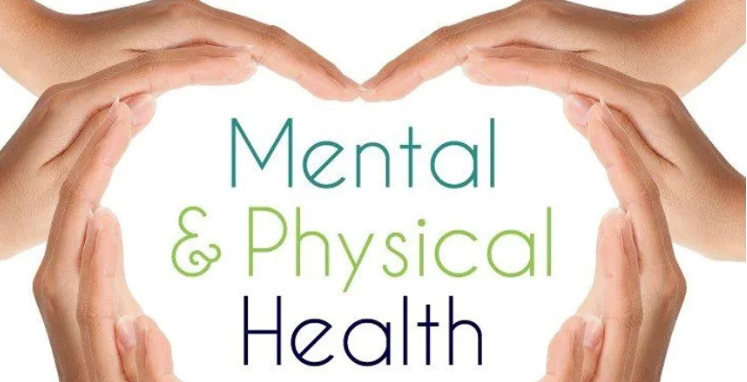
Health is often described as the foundational blessing upon which all other life achievements are built. Without physical strength, energy, and mental clarity, enjoying wealth, career success, or personal relationships becomes extraordinarily difficult. Yet, good health is frequently taken for granted until a severe illness or injury occurs. Recognizing health as a vital blessing transforms how we approach daily lifestyle choices, nutrition, exercise, and self-care.
In the modern age, convenience often comes at the expense of well-being. Ultra-processed foods, sedentary desk jobs, and constant screen time have created lifestyle challenges that undermine physical health. By treating health as a gift to be cherished rather than a guarantee, individuals can cultivate long-term vitality and longevity.
Key Pillars of the Blessing of Health
Physical Vitality and Mobility
The human body is an intricate system capable of healing, adaptation, and endurance. Having functional mobility, clear vision, pain-free movement, and energetic organ systems allows individuals to explore the world, perform work, and support their families. Nourishing the body with clean nutrition, adequate hydration, and regular physical activity is the primary way to honor this physical blessing.
Mental and Emotional Equilibrium
Health extends beyond the absence of disease; it includes cognitive functionality and emotional stability. A healthy mind allows for critical thinking, emotional regulation, creativity, and inner peace. Prioritizing restful sleep, stress management, and emotional reflection ensures that mental health remains strong during times of hardship.
Cultivating a Lifestyle of Health Stewardship
To truly value the blessing of health, one must move from passive appreciation to active management:
- Preventative Care: Regular medical check-ups, early screenings, and basic health awareness help catch potential health risks early.
- Mindful Nutrition: Choosing whole, nutrient-dense foods over artificial alternatives treats food as fuel and medicine for the body.
- Active Living: Incorporating daily movement—such as walking, strength training, or outdoor recreation—maintains joint and cardiovascular health.
Benefits for the USA
Protecting and valuing the blessing of health carries direct benefits for American society and its national economy.
1. Reduction of Healthcare Costs
The United States spends trillions of dollars annually on healthcare, with a significant portion allocated to managing preventable chronic diseases like diabetes, hypertension, and heart disease. A societal shift toward recognizing health as a blessing encourages preventative care and healthy living, drastically reducing personal and public medical expenditure.
2. Boosting Workforce Energy and Economic Growth
A healthier population translates into lower absenteeism, higher workplace efficiency, and increased economic output for the U.S. economy. When American workers maintain strong physical and mental health, business innovation flourishes and productivity remains competitive globally.
3. Relief for Healthcare Systems and First Responders
Promoting wellness and preventative health practices reduces overcrowding in hospitals and emergency rooms across the U.S., allowing medical professionals to deliver higher quality care to critical cases.
Conclusion
Good health is a precious gift that forms the basis of a fulfilling life. By actively respecting our physical and mental health through proactive habits, we protect this essential blessing and build a resilient foundation for the future.
Frequently Asked Questions (FAQs)
Q1: How can busy professionals prioritize health with limited time?
Small daily adjustments—such as taking short walking breaks, preparing simple meal options, and enforcing a consistent sleep schedule—can yield major health benefits over time.
Q2: Why is preventative care considered part of valuing health?
Preventative care catches subtle health issues before they turn into severe medical conditions, saving lives and reducing medical expenses.
Q3: How does physical exercise influence mental health?
Exercise releases endorphins, reduces stress hormones like cortisol, and enhances blood flow to the brain, directly improving mood and cognitive focus.

Albert Matha is a dedicated writer and the voice behind PrayerLifeHub, sharing meaningful prayers and faith-based content to inspire hope, healing, and spiritual growth. He is passionate about helping individuals and couples find peace, strength, and guidance through the power of prayer.