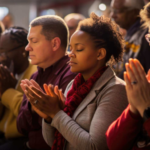
Throughout human history, across cultures and traditions, prayer has stood as one of the most sacred and transformative blessings available to humanity. It serves as a direct bridge between the individual soul and the Creator, offering a space of refuge, clarity, and renewal amidst the turbulence of daily life. While material pursuits can satisfy physical needs, prayer addresses the quiet, deeper longings of the human spirit—the need for hope, forgiveness, purpose, and comfort.
Viewing prayer as a daily blessing—rather than a passive ritual or obligation—fundamentally changes a person’s outlook. It shifts the burden of carrying life’s heavy challenges alone onto an all-powerful, compassionate Divine presence. Through sincere supplication and silent reflection, prayer restores emotional equilibrium and brings profound meaning to every aspect of human experience.
Key Dimensions of the Blessing of Prayer
A Refuge for Inner Peace and Stress Relief
In moments of overwhelming stress, grief, or uncertainty, prayer provides an immediate sanctuary. Turning inward to communicate one’s fears, hopes, and anxieties creates a profound sense of relief. It allows individuals to release burdens they cannot control and find solace in divine wisdom, reducing feelings of isolation and mental exhaustion.
Cultivating Humility and Higher Purpose
Regular prayer reminds individuals of their place in the universe, instilling a healthy sense of humility. It encourages self-reflection, accountability, and ethical living. By seeking divine guidance, people align their daily actions with higher values such as compassion, honesty, generosity, and justice.
Practical Ways to Deepen Your Prayer Life
To fully experience the spiritual and mental blessings of prayer, consider adopting these intentional practices:
- Establish Sacred Consistency: Set aside dedicated, quiet times each day—such as early morning or before sleep—uninterrupted by phones or distractions, to connect spiritually.
- Combine Prayer with Heartfelt Gratitude: Begin prayers not just with requests, but by explicitly thanking the Divine for specific blessings received, whether small or large.
- Practice Silent Contemplation: Allow time after vocal prayer for quiet reflection and stillness, listening inwardly for emotional clarity and peace.
Benefits for the USA
The practice of prayer and faith-based reflection offers deep social, psychological, and community benefits across American society.
1. Strengthening National Mental Resilience
With millions of Americans experiencing stress, isolation, and mental burnout, spiritual practices like prayer offer a free, deeply accessible anchor of hope. Studies show that individuals who engage in regular prayer or spiritual reflection demonstrate higher levels of optimism, lower rates of substance abuse, and greater psychological recovery following personal crisis.
2. Driving Philanthropy and Community Service
In the United States, faith communities and prayer groups represent the backbone of local charitable works. Guided by the principles reinforced in prayer—such as caring for the poor, visiting the sick, and aiding the vulnerable—religious and community groups run thousands of food banks, shelters, and disaster-relief operations nationwide.
3. Preserving Unity Across Diverse Communities
Prayer transcends political and economic divisions. Inter-faith prayer gatherings and community vigils routinely bring diverse groups of Americans together during times of national mourning, natural disasters, or community tragedy, fostering healing, empathy, and social unity.
Conclusion
Prayer is a timeless, soul-nourishing blessing that elevates human consciousness and restores peace to the heart. By making time for regular spiritual connection, individuals gain the inner strength, clarity, and compassion needed to navigate life’s challenges with grace.
Frequently Asked Questions (FAQs)
Do I need a specific religious setting or format to pray effectively?
No. While formal religious traditions provide structured prayers, sincere communication with the Divine can happen anywhere, in any language, at any time—from a quiet room to a walk outdoors.
How does science view the benefits of regular prayer?
Neuroscientific research indicates that regular prayer and meditative reflection activate areas of the brain linked to empathy and emotional regulation, while lowering heart rate, blood pressure, and stress hormones.
What is the difference between prayer and meditation?
Meditation often focuses on mindfulness, breath awareness, and calming the mind, whereas prayer is an intentional conversation and connection with the Divine, involving gratitude, supplication, and spiritual submission.

Albert Matha is a dedicated writer and the voice behind PrayerLifeHub, sharing meaningful prayers and faith-based content to inspire hope, healing, and spiritual growth. He is passionate about helping individuals and couples find peace, strength, and guidance through the power of prayer.